September 30, 2026
A functional overhead door is essential for the security, insulation, and convenience of your home. When mechanical components fail, garage door spring repair becomes a necessary service to restore safe, reliable operation. This guide explores the entire process to help you anticipate exactly what happens before, during, and after a professional technician arrives at your property. Being fully informed alleviates anxiety and prepares you for a smooth service experience from start to finish. Recognizing signs of mechanical failure early allows homeowners to protect their property and ensure systems run safely. By addressing these vital components, you protect the longevity of the entire structure and prevent unexpected disruptions to your daily routine.
Understanding Springs and Mechanisms
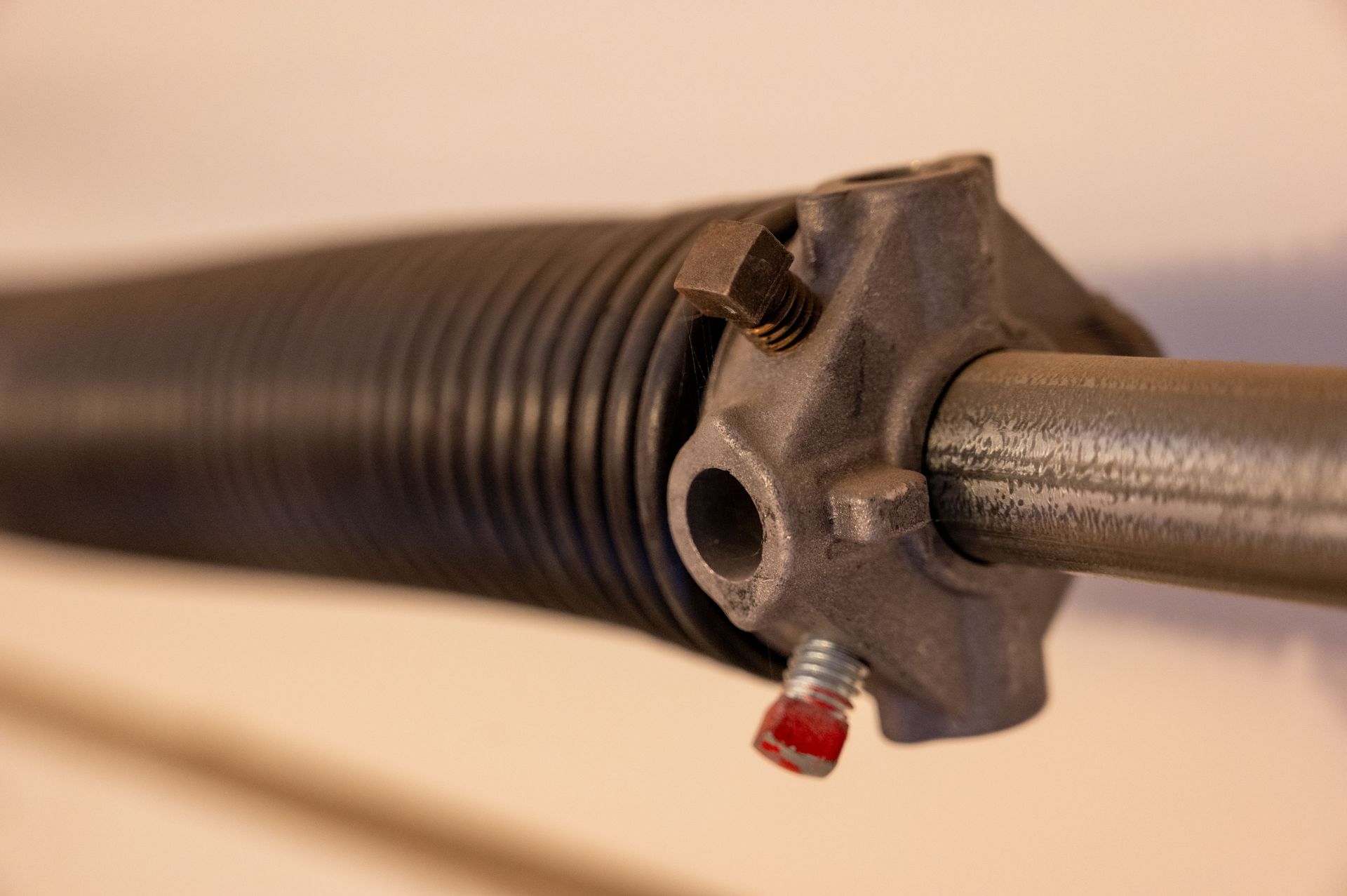
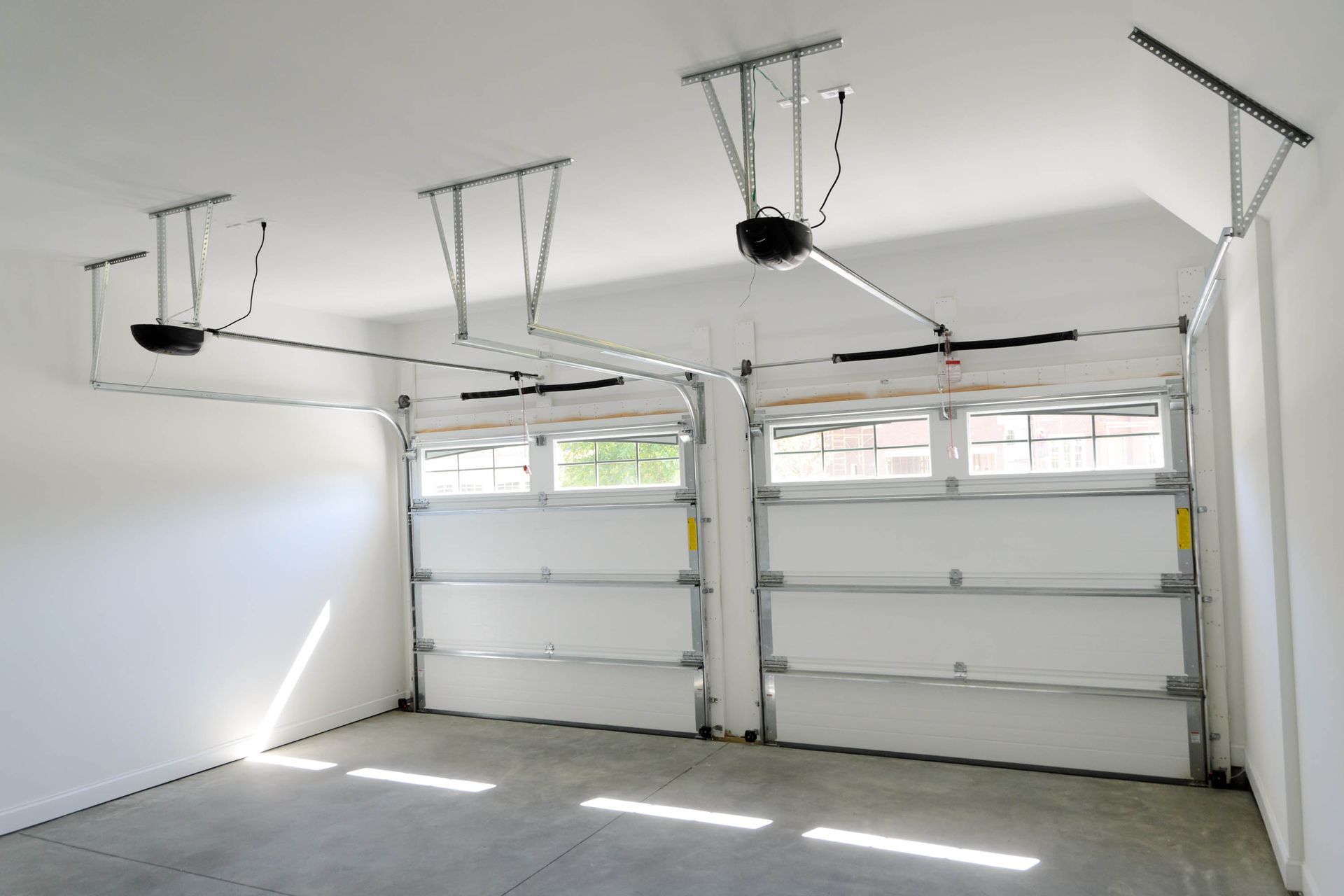
Overhead doors rely on specific tension systems to lift heavy panels with precision. Most residential setups use either torsion systems mounted above the opening or extension systems running parallel to the tracks. Identifying the mechanism is the initial crucial step in any garage door spring repair. Recognizing physical deterioration prevents catastrophic failure. Common signs of degradation include severe operational difficulty, visible gaps in the metal coils, and loud grinding noises during transit. Left unresolved, these warning signs quickly escalate into complete mechanical breakdowns that pose severe safety hazards to anyone near the opening.
Delaying necessary maintenance places immense strain on cables, hinges, and tracks. Proactive intervention preserves surrounding hardware and averts sudden drops that can cause severe damage. According to HomeGuide, property owners can expect an overhead door to last 15 to 30 years, though this timeframe fluctuates based on climate conditions, manufacturing materials, daily usage habits, and regular maintenance practices. Ensuring this impressive longevity requires matching replacement coils to the precise weight and height of the existing door setup. Proper sizing guarantees balanced movement and reduces unnecessary track strain, allowing the motor to work efficiently.
Preparing Spaces and Services
Initiating a garage door spring repair begins with proactive preparation. Finding capable technicians involves verifying professional credentials and reading verified client reviews. Scheduling the visit during specific daylight hours can streamline the appointment. Before the technician arrives, property owners need to clear the immediate workspace entirely. Removing vehicles, storage boxes, and personal items provides the contractor with unobstructed access to the tracks and overhead mechanisms. An organized space reduces trip hazards and facilitates a more efficient service timeline for everyone involved in the restoration process.
Clear communication sets the stage for a successful service appointment. Explaining the exact symptoms gives the technician a significant head start on diagnosing the primary issue. Asking targeted questions about the anticipated timeline establishes clear parameters for the duration of the visit. Homeowners should anticipate potential complications, such as bent hinges or frayed lifting cables, which might extend the duration of the scheduled visit. Setting realistic expectations regarding the scope of work prevents frustration. Open dialogue ensures the technician addresses all mechanical concerns before finalizing the job.
Executing Repairs and Adjustments
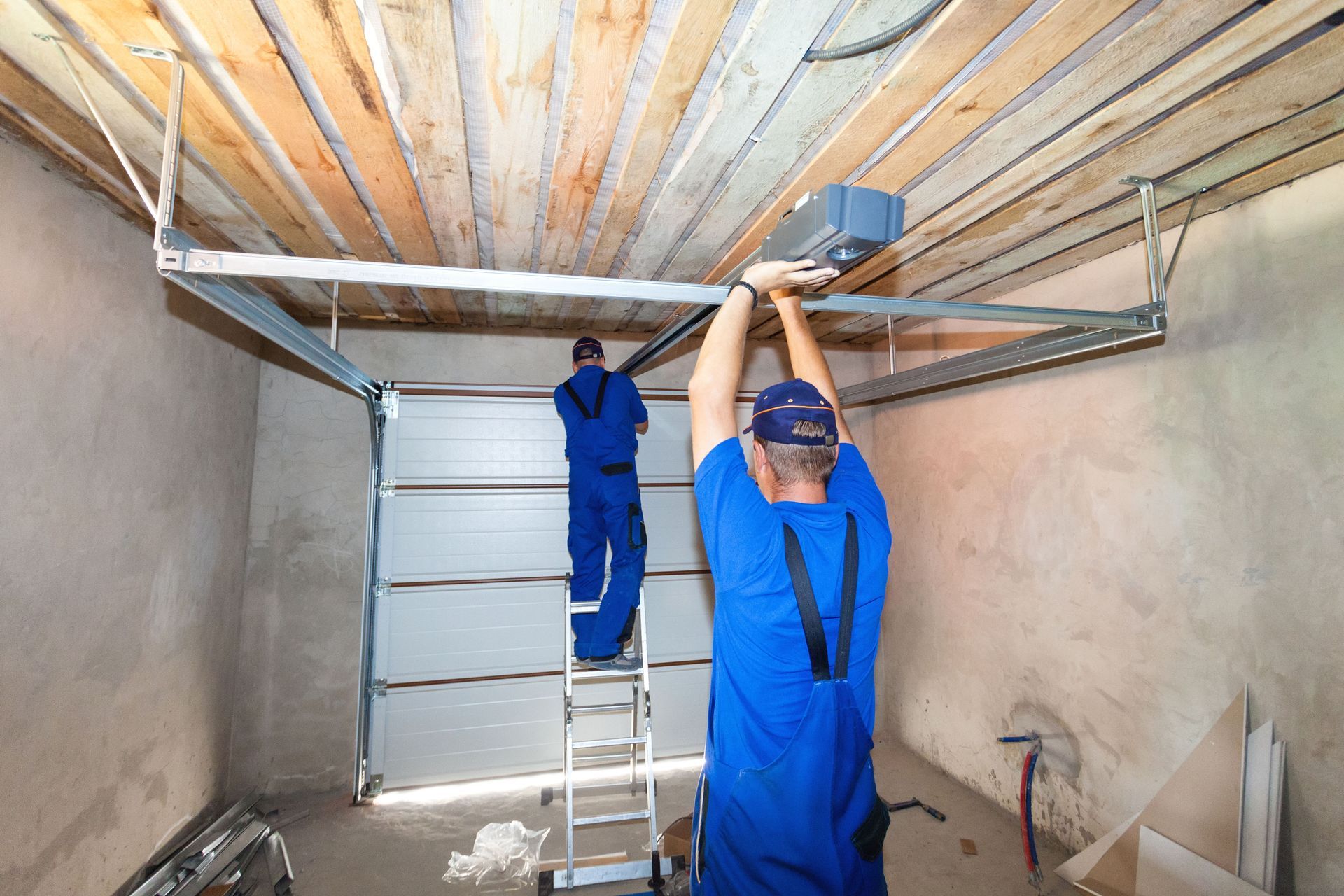
The on-site process begins with a detailed mechanical inspection. The contractor examines the tracks, rollers, and hinges to pinpoint any hidden deterioration or structural weakness. Once the assessment is complete, the professional begins safely releasing tension from the broken components. Detaching damaged coils requires specialized winding bars to prevent rapid unwinding, which can cause severe physical injuries. After removing the compromised parts, the technician positions the new coils along the shaft or side tracks. Precision during installation is critical to ensure the components bear the massive weight securely.
Proper tension adjustment dictates the lasting success of a garage door spring repair. The contractor carefully winds the new components to create the exact counterbalance needed for smooth, effortless operation. Incorrect tension forces panels to fly open too fast or feel overly heavy, stressing the automatic opener. Once the perfect balance is set, the technician conducts rigorous system testing. Opening and closing the system multiple times verifies that the panels glide along the tracks without binding. This final verification guarantees the system meets all operational safety standards and functions.
Evaluating Risks and Features
Managing heavy mechanical tension involves substantial, inherent safety risks. A sudden release of stored energy can send sharp metal fragments flying or cause the heavy panels to crash downward unexpectedly. Due to the probability of property damage or injury, untrained individuals should avoid attempting these hardware replacements. Professional contractors possess the specialized tools and rigorous training necessary to mitigate these specific hazards. Relying on experienced professionals ensures absolute adherence to vital safety protocols. This careful approach protects the structural integrity of the entire system while keeping everyone safe.
Following a garage door spring repair, thoroughly verifying safety mechanisms is essential. The contractor must test the photoelectric sensors and auto-reverse functions to confirm they detect physical obstructions immediately. While the physical work is underway, residents must maintain a safe distance from the work zone to avoid interfering. From a strict liability standpoint, utilizing trained professionals protects property owners from assuming the financial burden of accidental structural damages. Proper documentation of the service provides necessary records for potential warranty claims or home insurance inquiries that may arise later.
Maintaining Parts and Systems
Consistent, ongoing maintenance significantly extends the useful life of newly installed components. Homeowners should conduct simple visual inspections every few months to check for rust accumulation or noticeable metal fatigue. Applying a high-quality lithium or silicone lubricant to the coils and rollers reduces destructive metal-on-metal friction. This beneficial habit keeps the system running quietly and wards off premature environmental deterioration. Recognizing early warning signs of malfunction allows for prompt, necessary intervention. Proactive observation stops minor operational hiccups from turning into major mechanical failures that require complex professional interventions.
While visual checks are helpful, scheduling an annual professional tune-up ensures the system remains in peak condition. Technicians can identify microscopic wear and perform precise realignments that go beyond basic homeowner capabilities. Individuals can contribute to system health by keeping the tracks free of dirt and wiping down sensor lenses. Sweeping the garage floor prevents debris from lodging in the bottom brackets. Combining these simple practices with expert garage door spring repair maximizes structural durability and overall efficiency.
Addressing Concerns and Solutions
Persistent noise often indicates underlying friction or balance issues. Lubrication sometimes solves the immediate problem, but ongoing grinding could mean tension components are mismatched or nearing failure. Investing in high-cycle components may incur slightly higher initial expenses, but the long-term durability drastically reduces the frequency of future replacements. This cost-benefit analysis strongly favors quality parts. Custom architectural panels made of wood or glass require specialized heavy-duty coils to accommodate unique weight profiles. Technicians must calibrate the hardware to exact specifications.
Securing robust warranties on replacement parts ensures protection against premature manufacturing defects. A solid guarantee reflects the manufacturer's deep confidence in their materials and provides consumers with long-lasting financial security. Modern overhead systems also offer opportunities for responsible environmental stewardship. Upgrading to components manufactured from recycled metals perfectly aligns with sustainable household practices. These highly durable parts reduce landfill waste while providing exceptional lifting power. Navigating these final details transforms a standard garage door spring repair into a long-lasting, eco-friendly upgrade that significantly enhances your home.
Restoring the daily function of an overhead system requires precision, proper part selection, and strict adherence to established safety guidelines. Understanding the balance of heavy lifting panels and tension mechanisms highlights the absolute importance of relying on professionals for maintenance needs. Consistent upkeep and early problem detection save valuable time, minimize personal stress, and protect your most valuable physical assets. By prioritizing safety and choosing high-quality replacement parts, you guarantee a smooth, reliable operation for many years ahead. If you are experiencing structural balance issues or a mechanical failure, reach out to us at Garage Door Experts of Cincinnati to get your system running flawlessly again.