August 31, 2026
Garage door springs are crucial components that ensure the smooth operation of garage doors. Despite their small size, they play a significant role in the door’s functionality. Homeowners often overlook the importance of professional repairs, leading to safety risks and inefficient performance. This article explores the importance of professional garage door spring repairs, emphasizing safety, cost-effectiveness, efficiency, and longevity. Proper maintenance and professional interventions can significantly enhance the lifespan and performance of garage door systems, ensuring reliable functionality over time.
The Risks of DIY Garage Door Spring Repairs
Safety Hazards
The desire to save money often drives homeowners to attempt DIY repairs on garage door springs. High-tension springs, however, pose significant safety hazards if handled improperly. Without adequate knowledge or the right tools, accidents are likely to occur. Sudden release of tension can cause severe injuries or even fatalities. Professional technicians are trained to handle such dangers, ensuring repairs are conducted safely.
Safety should always be a top priority when dealing with high-tension components. Many DIY enthusiasts are unaware of how much force a tightly coiled spring can exert. The risk is not just limited to the individual attempting the repair but also to anyone nearby. Studies and incident reports highlight numerous accidents resulting from mishandled garage door springs. Only trained professionals can ensure safety while performing these repairs.
Homeowners should weigh the potential risks against the benefits of hiring a professional. While DIY projects are empowering, they sometimes come with unforeseen dangers. High-tension garage door springs can snap unexpectedly during handling. Professional technicians adhere to strict safety protocols, minimizing any potential hazards. By opting for professional repairs, homeowners can protect themselves and their families from preventable injuries.
Technician Training and Expertise
Professional garage door technicians undergo extensive training to master the mechanics of garage door systems. These experts understand the nuances of different spring types and can diagnose issues accurately. In contrast, those without professional training might inadvertently worsen existing problems. Misidentification of the issue can lead to inadequate solutions or even further complications. Consequently, what may seem like a minor issue can quickly escalate, leading to more costly repairs.
The expertise of trained technicians extends beyond basic repairs. They are equipped with the knowledge to offer tailored solutions based on specific garage door models and configurations. Inadequately trained individuals may not grasp the intricate balance required for optimal door function. Professionals, on the other hand, have the insight to ensure that all components work in harmony. This level of precision helps in maintaining door functionality and prolonging its lifespan.
Untrained DIY approaches can often result in costly mistakes. Professionals possess not only theoretical knowledge but hands-on experience gathered over many years. Their proficiency allows them to provide comprehensive solutions that address both current issues and potential future problems. By relying on their expertise, homeowners avoid the pitfalls of DIY mistakes, ensuring a more seamless and efficient repair process. Moreover, the assurance of expert handling provides homeowners with peace of mind.
Tool and Equipment Inadequacies
Household tools are generally not suited for intricate garage door repairs. Professional technicians often employ specialized equipment designed for safety and precision. The use of improper tools can compromise both the repair process and safety. Without the right equipment, the risk of damaging the door components increases significantly. By using industry-specific tools, professionals ensure that every aspect of the repair is handled efficiently and safely.
Beyond basic tools, professional technicians have access to diagnostic equipment that helps pinpoint issues with accuracy. This technology aids in identifying problems that might be overlooked using only visual inspection. Many DIY enthusiasts underestimate the complexity of the task at hand. Misjudging the necessary tools can lead to incomplete repairs or even exacerbate existing damage. Investing in professional services eliminates these issues and ensures comprehensive repairs.
The value of specialized equipment cannot be overstated. Not only do they facilitate efficient repairs, but they also uphold the integrity of the garage door system. Poor execution due to inadequate tools often results in repeated breakdowns. Professionals, equipped with the right toolset, ensure the longevity and reliability of the repair. Ultimately, the precision and efficiency that come with professional-grade tools underscore the importance of seeking expert repairs
The Complexity of Garage Door Springs
Types of Garage Door Springs
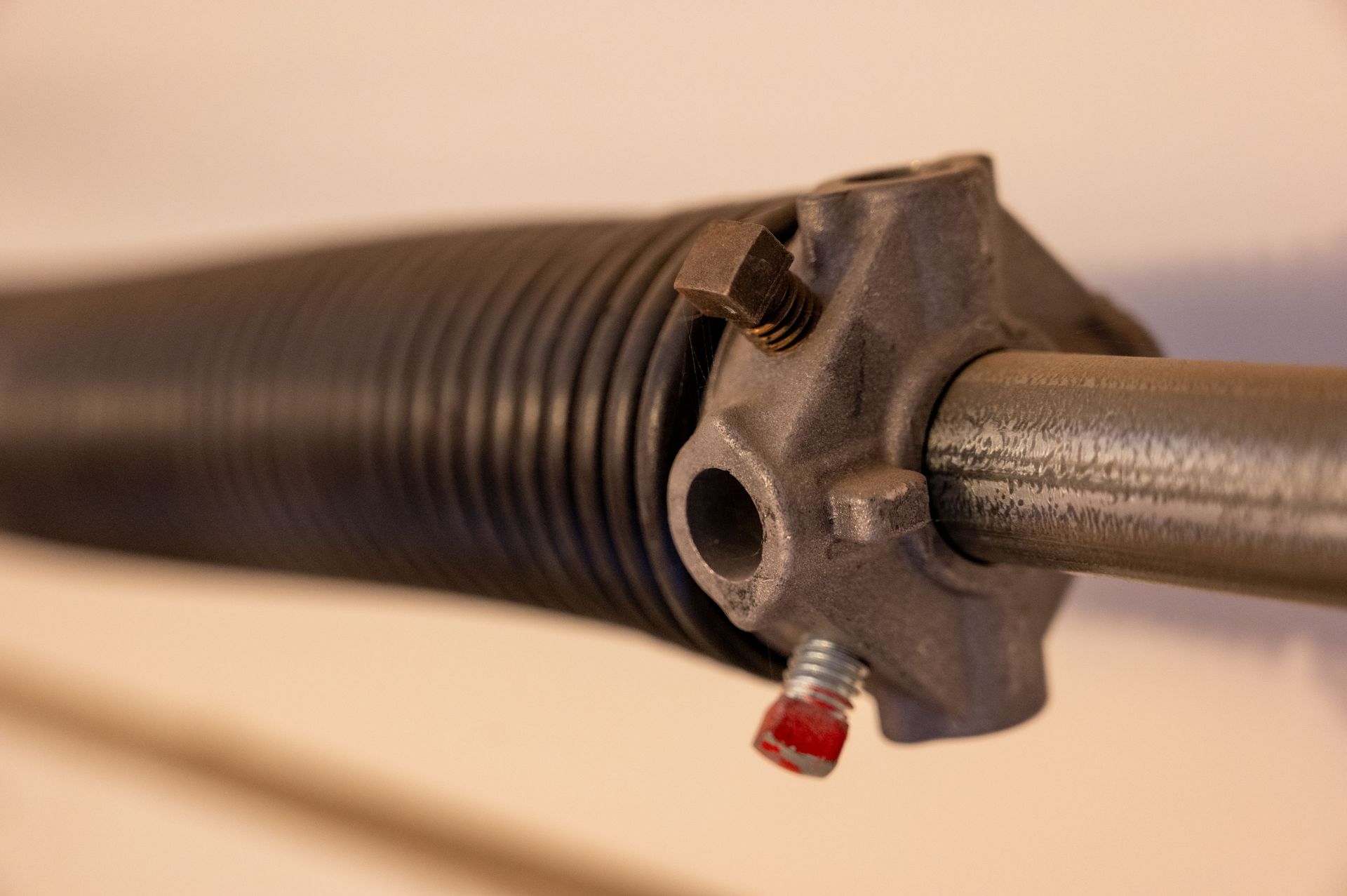
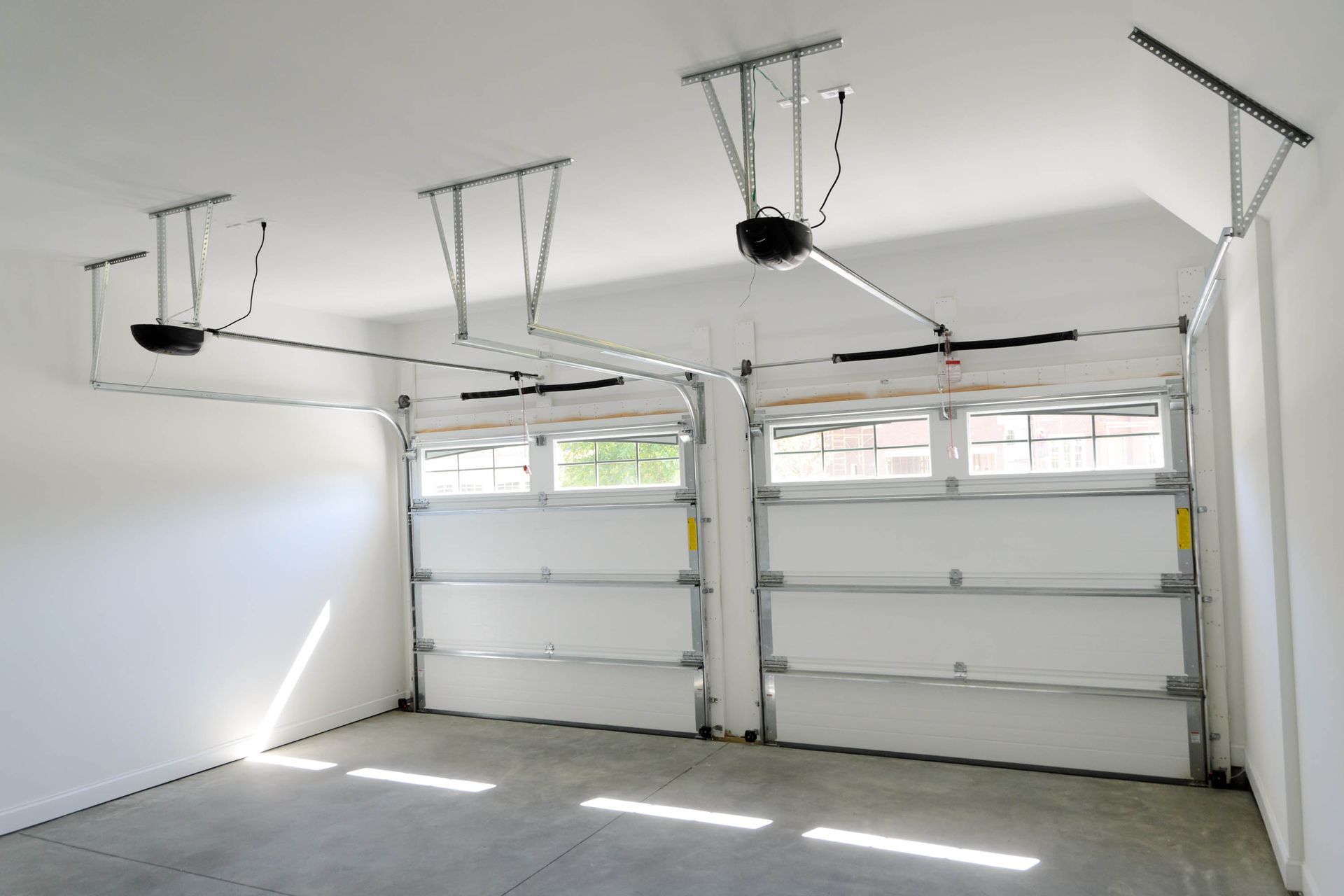
Garage doors utilize two primary types of springs: torsion springs and extension springs. Torsion springs are mounted above the door and use torque to lift the door. In contrast, extension springs are located on either side of the door and stretch to fulfill their function. Each spring type has its unique mechanics and associated complexities. Understanding these differences is vital for executing appropriate repairs and ensuring seamless operation.
Torsion springs are generally preferred for their durability and reliability. They provide smoother and more controlled door operation compared to extension springs. However, their complexity necessitates professional handling to ensure optimal performance and longevity. Extension springs, while simpler, can be prone to misalignment and require consistent maintenance. Proficient technicians recognize the strengths and limitations of each type, tailoring their approach to the specific spring system in place.
The choice between torsion and extension springs can also impact long-term maintenance. According to HomeGuide, garage door springs rated for 50,000 cycles are the only ones that usually endure for over 15 years. This rating is most commonly associated with torsion springs, underscoring their preferred status. Professional technicians provide insights on the most suitable system for a given garage door. Their expertise ensures the longevity and optimal performance of the chosen springs.
Operational Mechanisms
Understanding how garage door springs function is crucial for appreciating their role in door operations. Springs counterbalance the weight of the door, allowing it to open and close effortlessly. Torsion springs achieve this balance through twisting force, while extension springs do so by stretching. Both mechanisms require precise calibration to function correctly and improve system longevity. Accurate knowledge of these operations helps technicians diagnose issues effectively.
Operational mechanisms of garage door springs determine the door's movement and reliability. If a spring's tension is off, the door may not open or close smoothly, leading to uneven operation. Misaligned springs can cause added strain on the door opener, shortening its lifespan. Professionals calibrate springs with precision, ensuring smooth door operation and minimizing wear on other components. This attention to detail highlights the value of professional repair services.
Professional technicians utilize their understanding of spring mechanics to ensure optimal performance. They assess the condition of springs, considering factors like age, cycle rating, and material. This comprehensive evaluation allows them to provide targeted repairs or replacements. The skillful handling of operational mechanisms safeguards the longevity of the entire garage door system. By prioritizing regular maintenance, homeowners extend the lifespan of their garage doors significantly.
Signs of Spring Wear and Failure
Recognizing early signs of wear and failure in garage door springs can prevent costly repairs. Audible noises such as squeaking or popping during operation often indicate signs of distress. Visual indicators like gaps in the coils or rust on the surface also suggest wear. These signs warrant immediate attention to avoid catastrophic failure. Regular inspections by professionals can help identify such issues early, preserving the door's integrity.
Increased difficulty in opening or closing the door is another sign of spring fatigue. As springs wear over time, they lose their ability to counterbalance the door's weight. This strain manifests as jerky movements or a misaligned door. Professionals evaluate tension levels and make necessary adjustments to restore balance. Addressing these early signs can prevent further complications and extend overall system life.
Professional garage door spring repairs can help homeowners address spring problems safely while supporting the reliable operation of their garage door system. Because these components operate under significant tension, professional assessment and service can reduce safety risks, prevent additional damage, and help extend the life of the door. When signs of wear or failure appear, seeking qualified assistance is a practical step toward maintaining a functional and dependable garage door. For garage door spring repairs you can rely on, contact Garage Door Experts of Cincinnati today.